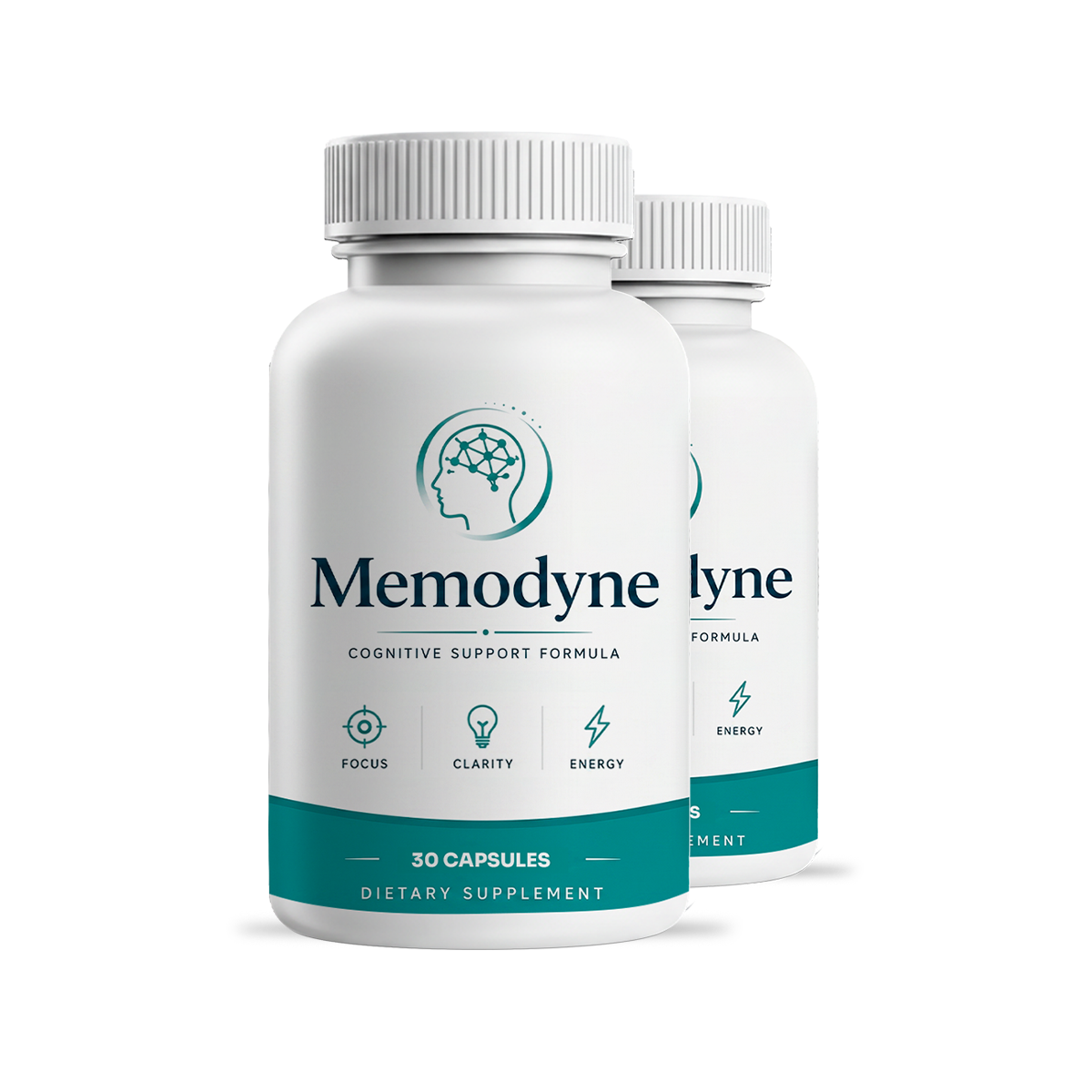
Memodyne — Our Complete Verdict — 2026
Memodyne is a daily brain health supplement for people who have tried cutting back on caffeine, sleeping more, and eating better — yet still find themselves struggling to stay sharp when it matters. Something about the mental fogginess, the word-finding delays, the inability to sustain concentration through a demanding afternoon, just hasn't responded to lifestyle fixes. Memodyne is designed for those who want a more targeted approach to supporting cognitive clarity and recall.
Your Brain Is Trying to Tell You Something — And It's Getting Louder
Worth noting: years of pushing through brain fog while hoping it would eventually lift on its own is an experience more people share than admit. Every small compromise — relying on caffeine, avoiding tasks that require deep thinking, keeping notes for things you used to remember — adds up into a pattern that becomes harder to ignore.
- ✕Mid-sentence word retrieval failures have started happening in meetings, not just in casual conversation.
- ✕Concentrating on a single task for more than twenty minutes now requires a level of effort that leaves you exhausted.
- ✕Names of people you've known for years occasionally vanish at the exact moment you need them.
- ✕Hours and money spent on brain-training apps have produced frustratingly little carry-over into real-world sharpness.
- ✕Conversations you were confident you could recall clearly have started requiring notes or follow-up messages just to be sure.
- ✕Watching peers seem effortlessly sharp while you're quietly struggling affects confidence in ways you don't discuss openly.
Cognitive decline rarely reverses itself through willpower alone — the underlying neurochemical and circulatory factors that drive memory and focus need specific nutritional support that most diets don't provide. Waiting for this to self-correct typically means more months of compensating rather than improving.
What Is Memodyne and Who Is It Actually For?
As a standalone compound, adults in their late thirties through their sixties who have begun noticing consistent lapses in working memory and sustained focus are the clearest fit for this supplement. Memodyne is not a product aimed at students chasing a short-term performance edge — it is built around ingredients studied for gradual, cumulative support of the brain's natural signalling and circulatory systems.
Worth noting: choosing these particular compounds over simpler alternatives comes down to target specificity.
Across the formula, bacopa monnieri, Lion's Mane mushroom, and phosphatidylserine each address different aspects of brain health — from nerve growth factor support to synaptic membrane integrity — rather than relying on stimulant-driven alertness that fades and rebounds. Ginkgo biloba rounds out the cerebrovascular angle that stimulant-based nootropics typically skip entirely.
On the evidence side, memodyne capsules are manufactured in a GMP-certified, FDA-registered facility, which matters more than marketing language might suggest — it means every batch is produced under federally inspected quality controls, with ingredient purity and dosage consistency held to a verifiable standard.
For experienced supplement users, buyers who are already supplementing with vitamin D or omega-3s may find that Memodyne complements rather than duplicates those foundations, since its formulation is built around cognitive-specific compounds not typically covered by general wellness stacks.
Memodyne targets acetylcholine support, nerve growth factor pathways, and cerebral blood flow simultaneously — three mechanisms that single-ingredient brain supplements consistently ignore.
Three Biological Pathways Memodyne Is Designed to Support
Acetylcholine Precursor Support
At the formulation level, acetylcholine is the neurotransmitter most directly linked to memory formation and learning consolidation — and its synthesis declines measurably with age. Alpha-GPC in the Memodyne formula provides a highly bioavailable choline source that crosses the blood-brain barrier, giving the brain the raw material it needs to maintain neurotransmitter output. Phosphatidylserine supports the membrane environment where this signalling takes place.
Cerebral Circulation and Oxygenation
For experienced supplement users, ginkgo biloba extract has been studied for decades specifically in the context of cerebrovascular blood flow. Reduced microcirculation in the brain is one of the earliest physiological contributors to cognitive slowing — not a dramatic event, but a gradual narrowing of oxygen delivery to neurons that need it. Ginkgo's flavonoid and terpenoid constituents are the most-researched compounds for addressing this particular mechanism.
Neuroprotection and Nerve Growth Factor Stimulation
On the evidence side, lion's Mane mushroom contains hericenones and erinacines — compounds that have been studied for their ability to stimulate nerve growth factor (NGF) synthesis. NGF plays a direct role in the survival, maintenance, and regeneration of neurons. Bacopa monnieri adds an antioxidant layer, with bacosides studied for reducing oxidative stress in hippocampal tissue, the brain region most associated with memory encoding.
What People Are Saying After Using Memodyne
Illustrative user accounts — results are not typical for all users
“Court reporting demands absolute word-for-word recall under pressure — a single missed term can compromise an entire transcript. By week five, I noticed I was making fewer read-back corrections and holding complex testimony in working memory more reliably. It wasn't dramatic, but for my profession, even a small improvement in recall accuracy under stress has real professional consequences.”

“Bought it initially for my father, who'd been struggling with name recall and general mental sharpness for a couple of years. A few weeks in, I started taking it myself mostly out of curiosity — I'd been having a rougher time than usual staying focused during long stretches of remote work. By week thirteen, the thing I noticed most wasn't memory at all, it was how much easier it had become to stay mentally engaged through a full afternoon without needing to break away every forty minutes. My father has also stuck with it — he reports noticeably fewer moments of losing his train of thought mid-conversation.”

“Relocating for a new position three years ago triggered more cognitive stress than I anticipated — new environment, new team, different time zone, and a role that demanded faster strategic thinking than my previous one. Brain fog became a near-daily companion. I started Memodyne as part of a broader approach alongside improving sleep hygiene and reducing processed food. By two months in, the fog wasn't entirely gone but felt substantially thinner — I was following multi-step conversations more easily and retaining details from meetings without needing to review notes immediately after. What I can say is that two months of consistent use produced a cumulative shift I hadn't managed with any single lifestyle change alone.”

Manufactured With Integrity
 GMP RegisteredProduced under GMP-certified conditions
 US FDA RegisteredFDA-registered US production site
 US MadeMade in America
 Clean IngredientsClean formula — no artificial ingredients
Choose Your Memodyne Package
Best value when you order a larger supply
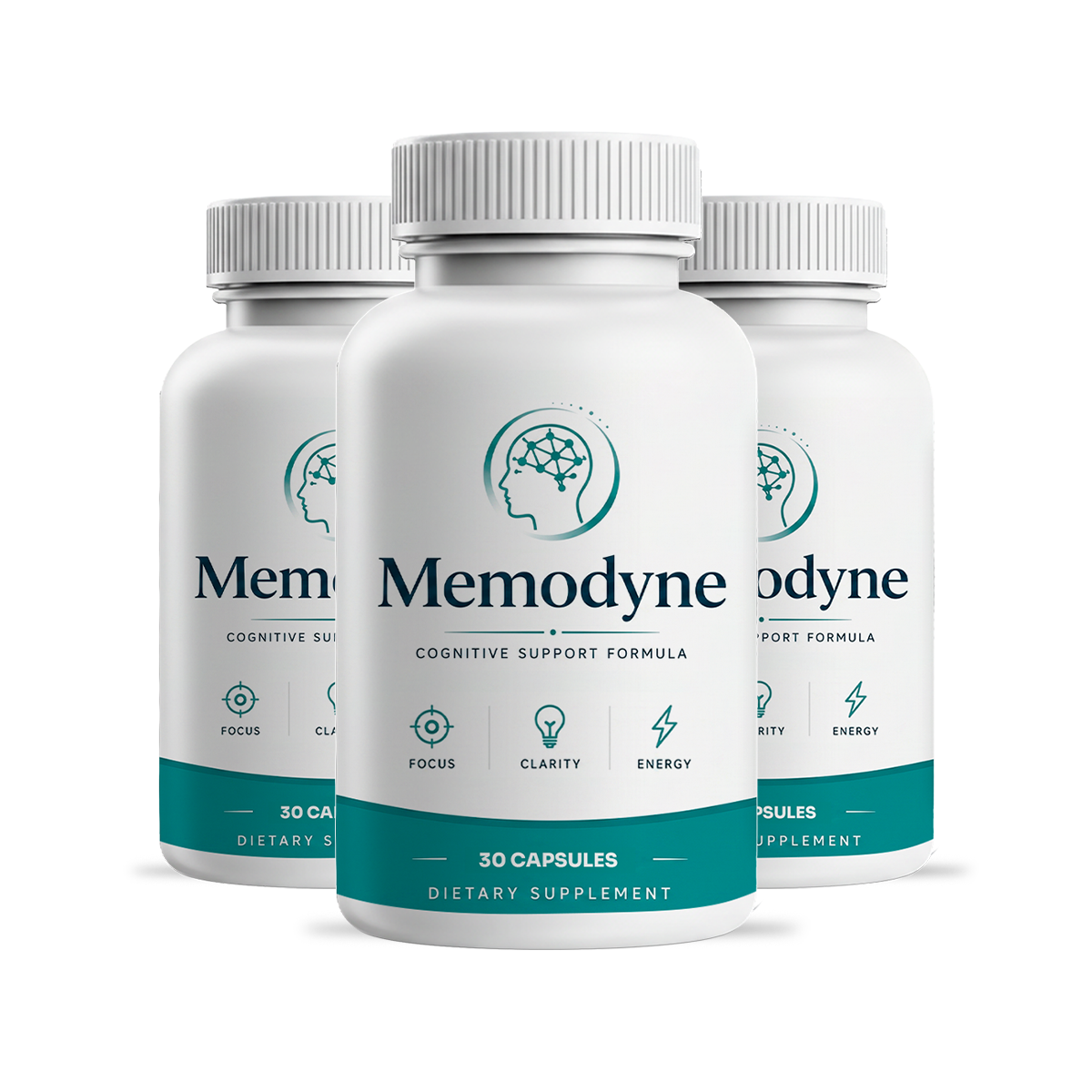
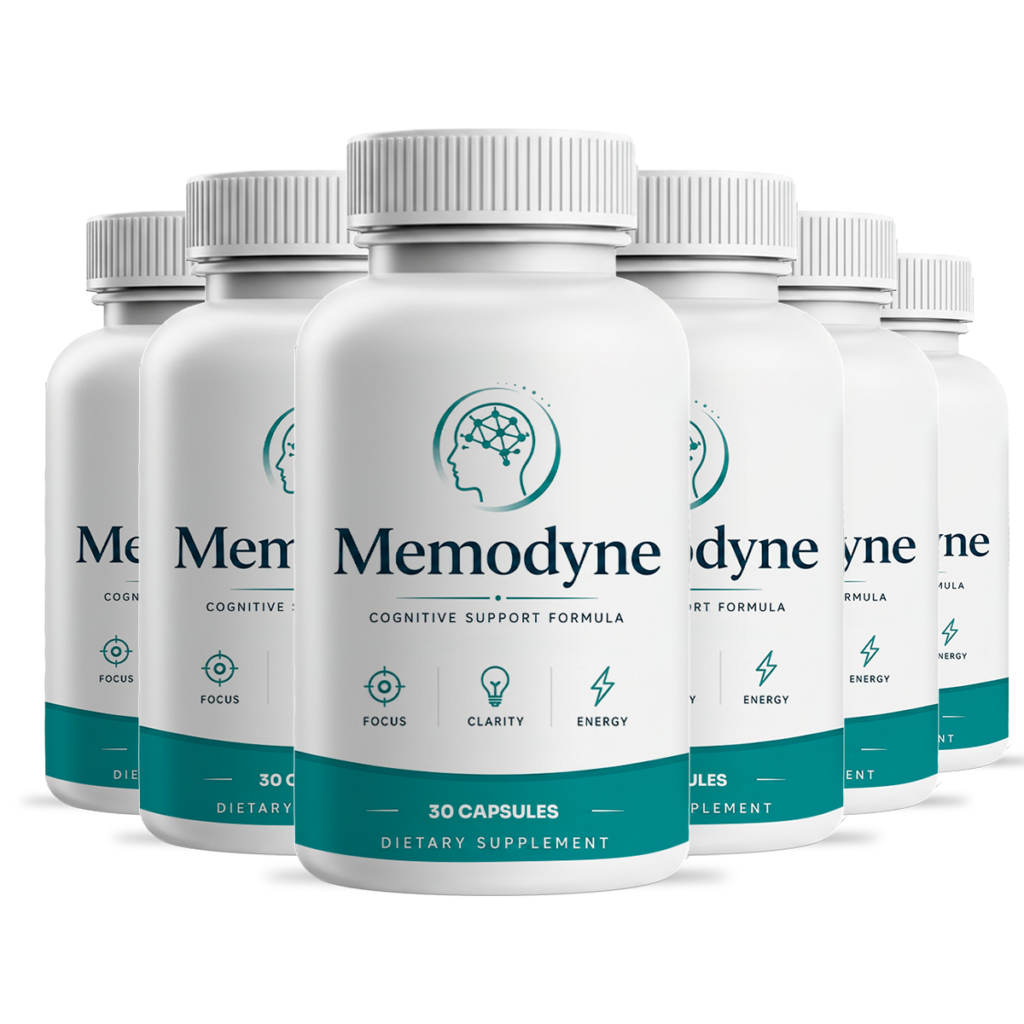
Direct From Manufacturer: Available through one channel only — the manufacturer's website. Marketplace listings carry no guarantee.
What Memodyne Users Commonly Report
Improved Word Retrieval and Recall Speed
For experienced supplement users, bacopa monnieri and Alpha-GPC together target the cholinergic system most directly tied to verbal memory — users frequently report that word-finding delays become less frequent after consistent use over several weeks.
Sustained Mental Focus Without Stimulant Crash
On a per-ingredient basis, rhodiola rosea's adaptogenic properties are studied for reducing the cognitive errors and attention lapses associated with mental fatigue, rather than simply borrowing energy the way caffeine does. Most users who switch from stimulant-based focus aids note a more even baseline of alertness. There is no rebound effect reported because no stimulant mechanism is involved.
Clearer Cerebrovascular Blood Flow Support
In clinical terms, ginkgo biloba extract at 120mg directly addresses the circulatory dimension of cognitive aging — the gradual reduction in cerebral microcirculation that contributes to mental sluggishness even in otherwise healthy adults.
Neuronal Membrane Integrity Over Time
Across the formula, phosphatidylserine is a structural component of neuronal membranes, and its presence in the Memodyne formula addresses long-term synaptic health rather than just acute cognitive performance. Users taking it for two months or more report a general sense of mental resilience — less susceptibility to mental fatigue after cognitively demanding tasks. Set realistic expectations: this benefit builds through accumulation, not overnight.
Nerve Growth Factor Pathway Activation
As a standalone compound, lion's Mane mushroom's hericenones and erinacines are not commonly found in competitor brain supplements, and NGF stimulation is an underrepresented mechanism in most nootropic stacks. Research on this compound's effect on neuroplasticity is still maturing, but early human data is encouraging.
Homocysteine and Myelin Support via B12
To put it plainly: methylcobalamin addresses a nutritional gap that many adults don't realise they have — subclinical B12 insufficiency that silently affects neural conduction speed over years. Correcting this with the neurologically active form of B12 may support the kind of sustained cognitive sharpness that is difficult to attribute to any single dramatic event.
Reduced Cognitive Fatigue Under Pressure
On the evidence side, sustained workplace demands, caregiving stress, and sleep disruption all accelerate the cognitive fatigue that Rhodiola rosea has been specifically studied to address. Users in high-demand professional roles tend to report the most noticeable benefit in this area.
Comprehensive Multi-Pathway Formula Design
Worth noting: rather than relying on a single headline ingredient, the Memodyne formula layers compounds across acetylcholine synthesis, cerebral circulation, neuroprotection, and adaptogenic fatigue resistance — covering more of the biological territory that age-related cognitive change actually occupies.
Memodyne Ingredients
7 targeting acetylcholine signalling, cerebral circulation, and neuroprotective pathways
For experienced supplement users, clinical research on Bacopa monnieri has examined its role in memory acquisition and retention, with multiple randomised controlled trials in healthy adults showing improvements in delayed word recall and cognitive processing speed over twelve weeks of supplementation. Its active constituents — bacosides A and B — are thought to work by modulating synaptic activity in the hippocampus and reducing lipid peroxidation in neuronal tissue. At 300mg, this sits within the range used in most published studies. The honest expectation is that Bacopa accumulates over weeks, not days.
At a practical level, supporting nerve growth factor synthesis, Lion's Mane has been studied in both animal models and small human trials for its potential to stimulate neurogenesis — the process by which the brain supports the maintenance of existing neurons and may encourage new neuronal connections. Its bioactive compounds, hericenones and erinacines, are unique to this mushroom and not replicated by other functional fungi. A 2009 double-blind study in adults showed measurable improvements in cognitive function scores over sixteen weeks of Lion's Mane supplementation, with scores declining after the supplement was discontinued.
At the formulation level, at the doses used in formulas like this, Ginkgo biloba extract has been studied for cerebral microcirculation, working memory support, and age-related cognitive decline in over forty years of published research — making it one of the most evidence-backed botanical compounds in the nootropic category. Its standardised extract (typically 24% flavone glycosides, 6% terpene lactones) acts by inhibiting platelet aggregation and improving vasodilation in cerebral blood vessels. Some studies have found effects on attention and mental processing speed within four to six weeks, which is shorter than many of Memodyne's other ingredients.
By design, studies examining age-related cognitive decline have focused on phosphatidylserine as a structural phospholipid critical to neuronal membrane integrity — specifically its role in maintaining the fluidity and receptor density of synaptic membranes. Sufficient phosphatidylserine levels are associated with more efficient acetylcholine release and glucose metabolism in brain tissue. The FDA has recognised a qualified health claim that phosphatidylserine may reduce the risk of cognitive dysfunction in the elderly, based on limited but supportive evidence — one of the few botanical compounds to receive such acknowledgement.
On a per-ingredient basis, unlike many choline sources, Alpha-GPC has been specifically studied for its ability to cross the blood-brain barrier efficiently — a pharmacokinetic property that distinguishes it from cheaper choline bitartrate alternatives found in lower-cost nootropic formulas. Research has examined Alpha-GPC in the context of age-related memory impairment and post-stroke cognitive recovery, finding it supports acetylcholine synthesis more reliably than its precursor compounds. Its inclusion alongside phosphatidylserine in the Memodyne formula creates a synergy in the cholinergic system — both compounds working on different parts of the same neurochemical pathway.
For the right buyer, providing adaptogenic support under cognitive stress, Rhodiola rosea brings a dimension to the Memodyne formula that pure memory-focused compounds don't address — the mental fatigue and cortisol-driven mental fog that accumulates under sustained pressure. Published research highlights its role in reducing fatigue-induced cognitive errors in shift workers and students, with effects on concentration accuracy and reaction time documented in trials of three to twelve weeks. Salidroside and rosavin, its primary active compounds, appear to modulate monoamine neurotransmitter pathways including dopamine and serotonin.
In clinical terms, research into methylcobalamin centers on its activity in myelin sheath maintenance and homocysteine metabolism — two processes with direct implications for neural conduction speed and long-term brain health. B12 deficiency is disproportionately common in adults over fifty and in those following plant-based diets, and even subclinical insufficiency has been associated with accelerated cognitive aging in longitudinal studies. Methylcobalamin is the neurologically active form of B12, better retained in brain tissue than the cheaper cyanocobalamin form more common in multivitamins.
Who Should Not Use Memodyne
At the formulation level, several groups should review the Memodyne ingredient profile carefully before starting, given the specific compounds this formula contains.
Anyone managing a diagnosed medical condition or taking prescription medication should speak with their healthcare provider before adding any new supplement to their routine.
Memodyne — My Scores
Across the formula, all ratings represent independent analysis of this product's formula, value, and manufacturing standards — assessed from published data, not lab testing. No brand relationship exists.
At a practical level, bacopa monnieri, Ginkgo biloba, and phosphatidylserine represent three of the most consistently studied nootropic compounds in peer-reviewed literature — each with multiple human randomised controlled trials. Lion's Mane and Rhodiola rosea have solid evidence bases but fewer large-scale human trials, which keeps the overall ingredient score just below the top tier.
On a per-ingredient basis, entry-level access at the two-bottle tier carries a higher per-bottle cost that may give first-time buyers pause, particularly given the accumulation timeline. The six-bottle package brings the per-bottle cost down substantially and is a considerably better match for the two-to-three month minimum that ingredients like Bacopa genuinely require to show their full effect.
At the formulation level, gMP certification and FDA-registered facility status are confirmed for Memodyne capsules, which matters specifically for compounds like phosphatidylserine that are sensitive to production conditions. What buyers cannot publicly verify is whether third-party Certificate of Analysis testing is conducted per batch — a transparency step that would move the manufacturing score higher.
Breaking Down Memodyne
- Seven evidence-backed compounds across distinct cognitive pathways
- Alpha-GPC crosses blood-brain barrier more efficiently than standard choline
- Suits adults 35–65 experiencing gradual memory and focus decline
- Ginkgo biloba effects on cerebral circulation emerge within four to six weeks
- Lion's Mane hericenones rarely included in mainstream nootropic stacks
- No stimulants — no tolerance build-up or dependency risk with extended use
- Free from synthetic fillers and stimulant compounds common in this category
- 60-day full refund guarantee — longer than most brain health competitors
- Smallest package not ideal for the accumulation timeline required
- Ginkgo biloba requires physician clearance for anticoagulant users
- Lion's Mane human trial data is still maturing compared to Bacopa or Ginkgo
Editorial Score: 4.5/5 — What distinguishes the Memodyne formula's design is its deliberate layering across four separate neurobiological mechanisms — cholinergic support via Alpha-GPC and phosphatidylserine, cerebrovascular function via Ginkgo biloba, neuroplasticity support via Lion's Mane, and adaptogenic fatigue management via Rhodiola rosea — rather than doubling down on a single trendy ingredient. That breadth of coverage means the formula addresses more of what actually drives age-related cognitive change. The 60-day refund policy reduces the financial risk to a point where testing it becomes a reasonably low-stakes decision. Memodyne suits adults in their late thirties through their sixties who have tried general wellness approaches without meaningful cognitive improvement, and who are looking for a sustained, compound-over-time supplement rather than an immediate stimulant effect.
In clinical terms, evaluating Memodyne began with a question that most buyers don't ask but should: does the ingredient list match the biological problems the product claims to address, or is it assembled for label appeal? Each compound was assessed against PubMed-indexed human trials specifically, filtering out animal-model studies that often don't replicate in humans. Dosage ranges listed for each ingredient were compared against the ranges used in published trials to evaluate whether amounts are likely effective or cosmetic. Manufacturing claims were assessed by checking GMP and FDA-registration status through publicly verifiable sources. User experience patterns were drawn from independent consumer communities rather than curated testimonial sections — looking specifically for consistent patterns of outcome, onset timing, and common non-responses that manufacturer pages don't surface.

60-Day Full Refund Guarantee
Across the formula, requesting a refund is straightforward — contact the manufacturer's customer support team within 60 days of purchase, and a full refund is processed without requiring you to justify your experience or return partial bottles.
As a standalone compound, sixty days is a meaningful window for a formula that builds through accumulation: it gives users enough time to assess whether the cognitive support effects are meaningful for them before the refund period closes. No store credit, no partial reimbursement — the guarantee covers the full purchase amount.
- Full cash refund — not store credit or exchange
- 60-day window — enough time for real assessment
- No requirement to return remaining capsules
- Contact via manufacturer's support email — response typically within one business day

Specialising in cognitive nutrition and evidence-based supplementation research, Daniel Foster (Medical Writer) has spent eleven years reviewing nootropic compounds for consumer health publications and independent buyer advocacy platforms. His work focuses specifically on how ingredients studied in clinical neuroscience translate — or fail to translate — into real-world supplement formulations that consumers can evaluate honestly. All assessments published here reflect independent analysis with no financial relationship with the brands covered.
Memodyne — FAQ
Try Memodyne Risk-Free for 60 Days
A full refund is available for 60 days — enough time to genuinely assess whether this formula makes a meaningful difference for you.
- Bacopa monnieri studied across multiple trials for memory recall
- 60 days to try with a full refund if unsatisfied
- Seven active compounds across four distinct brain health pathways
Clicking above takes you to the official order page — secured checkout.